3D Animation / Story Development · School project · Spring 2025
Robo the Helper
A collaborative 3D animated short about friendship, kindness, and small acts of care, brought to life through stylized modelling, hand-keyed animation, and a soft cinematic world.
You can also explore the project website or watch it on YouTube.
What me and team made
Robo the Helper is a 3D animated short about a small robot and his bunny friends, built around simple ideas of friendship, kindness, and small acts of care. Created in Autodesk Maya and rendered with Arnold, the film combines stylized character design, hand-keyed animation, manual rigging, layered sound, and a pastel visual world that supports the tone of the story.
I contributed across product scheduling managemnet, story and character development, rigging, animation, and post-production. As my role moved across several parts of the pipeline, I had constanly thought about the project as a full production that needed to stay cohesive from concept to final edit.
The goal and why it mattered
At the start of the project, we knew we wanted to make something heartfelt that communicated warmth and care through visual storytelling rather than heavy dialogue. As a first-time animation team, the challenge was figuring out how to turn that instinct into a short that felt polished and realistic for the team to actually finish.
What made this especially important was the balance between ambition and scope. Early on, our ideas were much bigger than what our timeline and production pipeline could comfortably support. We had to learn when to simplify, what to keep, and how to protect the core feeling of the project while making it achievable. That balance ended up shaping the whole film.
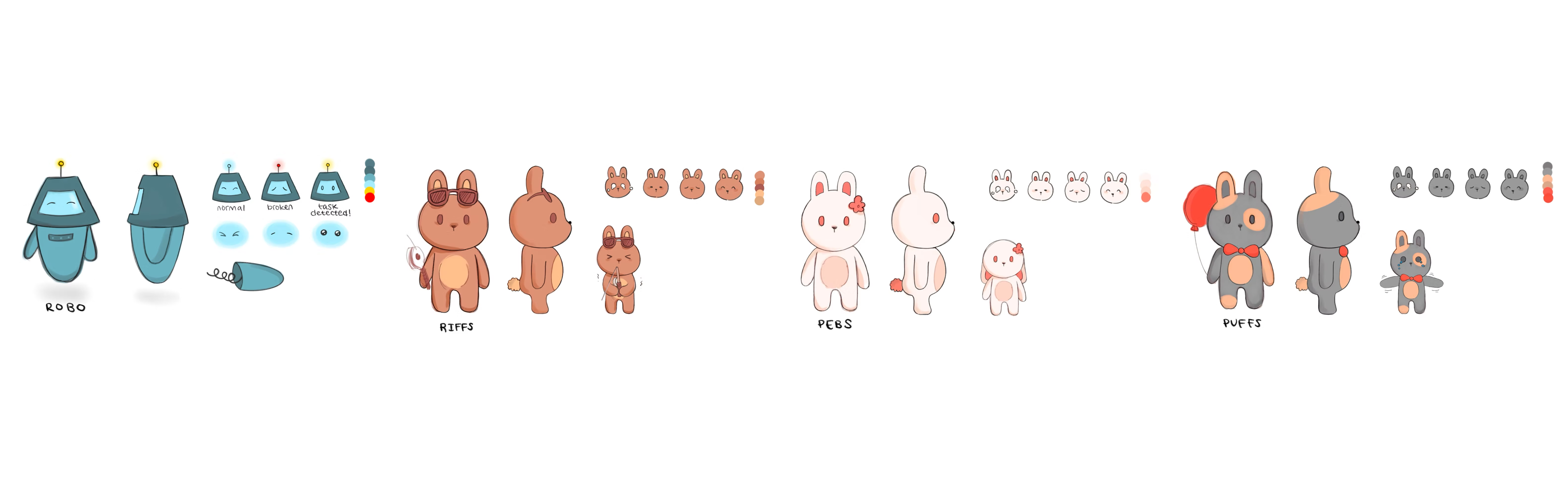
How the film took shape
The project evolved through a lot of refinement. We began with broad story ideas and early character concepts, then gradually narrowed the project into something more focused and more manageable. One of our biggest early decisions was reducing the number of unique characters. That shift helped us control the scope and put more care into the characters and moments that remained.
From there, the storyboard and animatic became our way of testing the story before committing to final animation. This stage helped us work through pacing, shot flow, and emotional clarity early on. Even in rough form, it showed us where scenes needed to breathe more, where transitions felt abrupt, and where the narrative needed to be simplified.
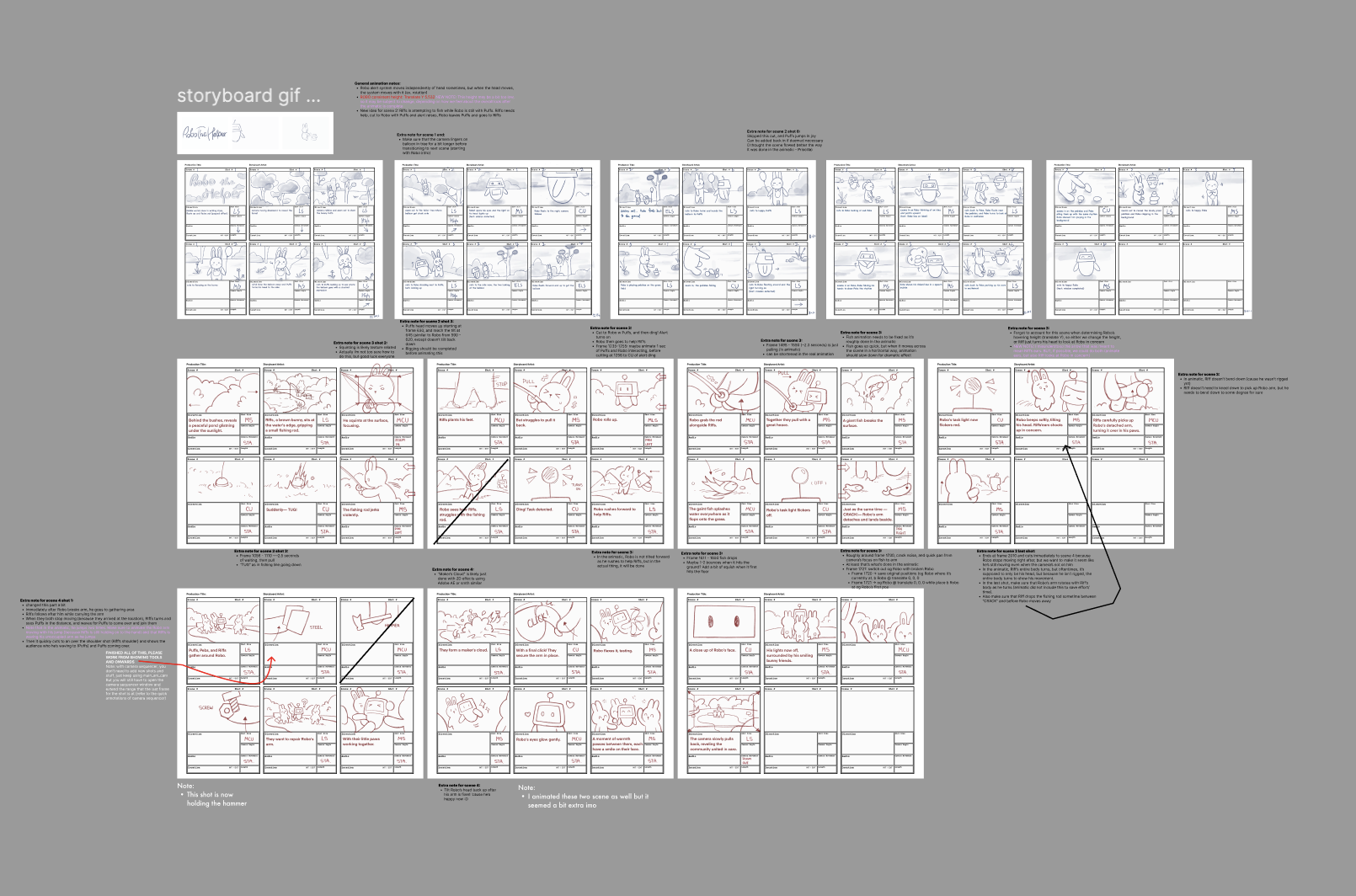
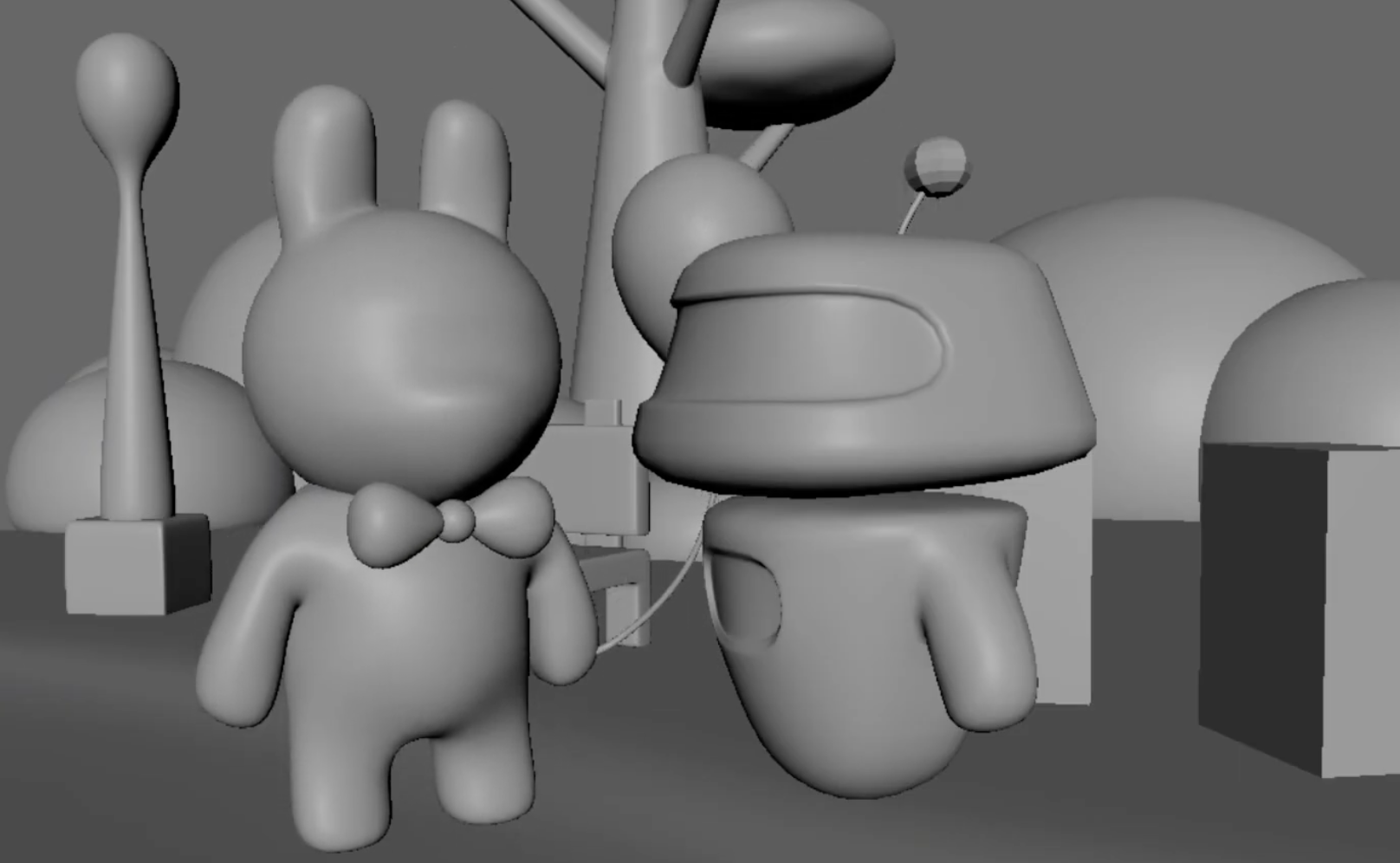
My own contributions sat across both creative and technical parts of the process. I developed the script, refined character models, fixed geometry issues, created props, rigged Robo and Riffs, animated scenes 2 and 3, and later handled post-production. I liked working this way because it let me stay close to the project’s tone from beginning to end rather than only stepping in for one isolated part.
As production continued, the work became more iterative. Some of the first ideas did not translate cleanly into animation, so we adjusted them. Some assets needed technical cleanup before they could move properly. Some scenes had to be reworked once we saw them in motion. By the end, the project felt much stronger because we kept responding to what the film actually needed, not just what we first imagined.
Challenges
The process was not smooth the whole way through. We ran into unstable files, misaligned pivot points, rigging issues, and the extra work of reanimating scenes after rigging was introduced later than expected. Those problems slowed us down, but they also forced us to become more deliberate. Instead of treating those setbacks as separate technical problems, we started thinking about them as design decisions too: what could be simplified, what needed to be rebuilt, and what would actually make the final film stronger.
The final animation
The final result is a completed, heartwarming 3D animated short with a cohesive visual tone, expressive character motion, and an emotional arc that stays simple but clear. What I like most about the finished piece is that even after all the technical adjustments, rerenders, and revisions, the softness of the original idea remained intact.
A lot of that came from the way the final film was assembled. The hand-keyed animation, small secondary motions, environmental styling, and layered audio all worked together to carry the mood. In post-production, I built the final sequence through editing, sound, visual effects, and timing adjustments, then helped push the piece further through rerendered segments and refinements to flow.
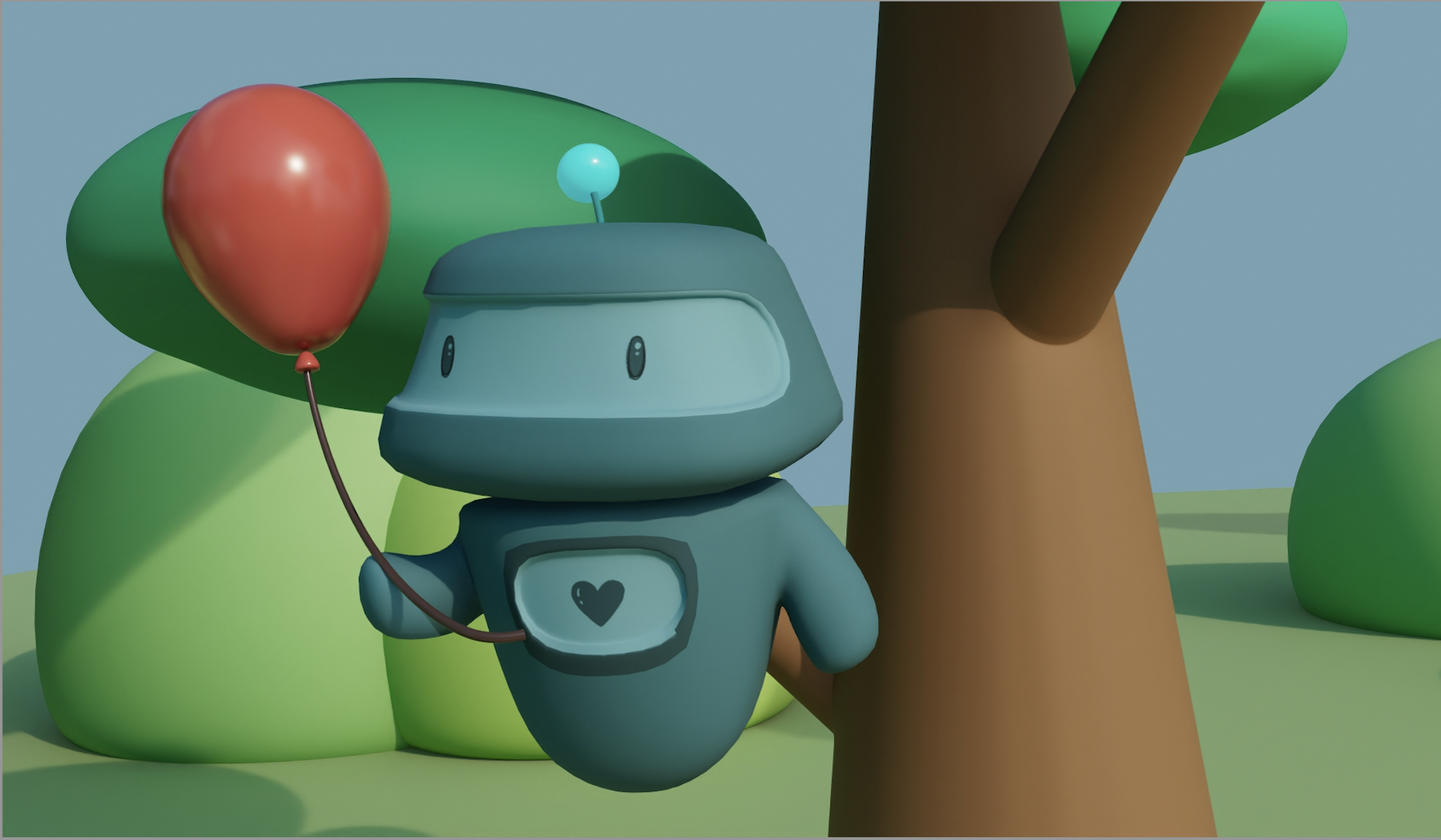
For me, the strongest outcome is not only that we finished the film, but that the finished version actually reflects both creative sensitivity and production discipline. It shows that I can move between storytelling, asset refinement, motion, and editing while still keeping the overall experience coherent.
What I learned
This project taught me that a strong result does not come from protecting the first idea too tightly. It comes from staying clear on the feeling you want to preserve while being flexible about everything else.
Protecting the feeling of a story matters more than protecting every early idea.
I learned a lot about production order, especially how early modelling and rigging decisions can affect everything that follows. I also came away with a much stronger appreciation for how much animation depends on subtlety. Small details like timing, secondary motion, and transitions can completely change how a scene feels.
Looking back, I would plan the pipeline more carefully from the start, especially around rigging, camera movement, and scene setup, so less time would be lost to rework later on. But I also think that reworking parts of the film taught me refinement is not separate from creativity.
Lexi Qiao — Portfolio